
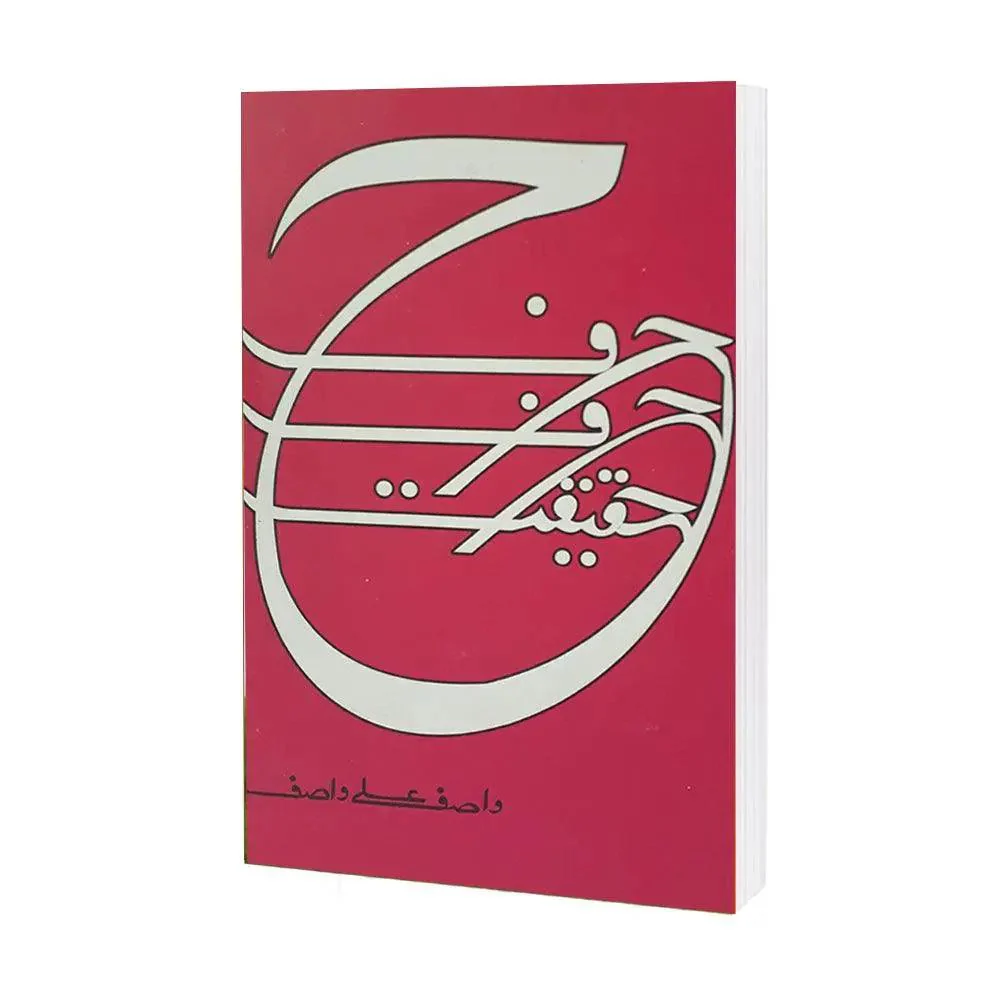
Harf Harf Haqeeqat
Harf Harf Haqeeqat
1. About the Author: Hazrat Wasif Ali Wasif (R.A.)
The author is Hazrat Wasif Ali Wasif (Malik Muhammad Wasif), a highly renowned figure in Pakistan.
- Life Dates: He was born on January 15, 1929, in Khushab, Punjab, British India, and passed away on January 18, 1993, in Lahore, Pakistan.
- Key Roles: He was a respected teacher, writer, poet, and Sufi intellectual/figure.
- Literary Style: He is famous for his unique literary style, particularly his masterly use of aphorisms (short, profound statements) and short prose pieces, often referred to as the Wasifian Style of writing.
Themes: His writings, including columns and essays, focus on mysticism/Sufism, spirituality, humanity, ethics, and the deep truths of life, love, fortune, and prayer. He is considered the founder of a new thought system called Wasfiyyaat
Publishing Date :
- While the author passed away in 1993, “Harf Harf Haqeeqat” (Essays) was published posthumously.
- The original publication date is cited as 1994.
- Later re-printings, such as one by Kashaf Publications Lahore, show dates like August 24, 2018.
Book Overview
- Meaning: The title “Harf Harf Haqeeqat” translates roughly to “Letter by Letter, the Truth” or “The Truth in Every Word.”
- Content: It is a collection of his thought-provoking short essays, reflections, and aphorisms, many of which originated in his newspaper columns and public discourses.
- Language: The book is written in the Urdu language.
- Genre: It falls under the categories of Sufism/Mysticism, Moral and Ethical literature, and philosophical essays.
A) Background and Status
Wasif Ali Wasif hailed from Khushab, Punjab, and was educated at the Government College, Lahore. He gained initial prominence as an educationist before dedicating his life to spiritual guidance and writing. He is revered by millions across South Asia, often cited alongside figures like Allama Muhammad Iqbal for his depth of thought concerning Islam, selfhood (Khudi), and the human condition.
B) Sufi and Intellectual Philosophy
Wasif Ali Wasif’s philosophy bridges classical Sufism with contemporary social and psychological issues. His core intellectual tenets include:
- The Power of the Word (Harf): He believed that every word spoken or written, especially in divine revelation and spiritual literature, carries a deep, hidden “Haqeeqat” (Ultimate Reality/Truth). His writing style focuses on extracting this profound meaning from simple observations.
- The Concept of Self-Recognition (Khudi): Much like Iqbal, he emphasized that knowing God begins with knowing oneself. His writings guide the reader towards self-discovery, moral purification, and realizing one’s spiritual potential.
- Practical Spirituality: He sought to integrate spirituality into daily life, addressing practical issues like poverty, success, failure, and relationships through a transcendental lens. He taught that true spiritual life is not about renouncing the world, but about engaging with it while maintaining inner detachment and divine focus.
C) Literary Style and Influence
Wasif sahib’s unique literary style involves using aphorisms (Aqwal-e-Zareen), short essays, and question-and-answer formats. His prose is marked by:
- Brevity and Depth: Sentences are often short, memorable, and carry multiple layers of spiritual and philosophical meaning.
- Universal Appeal: While rooted in Islamic Sufi tradition, his messages about faith, love, patience, and destiny resonate universally.
His works, including Kiran Kiran Suraj, Shab Chiragh, and Harf Harf Haqeeqat, are considered foundational texts for contemporary Urdu Sufi literature.
2. Book Structure and Chapter List (Harf Harf Haqeeqat)
“Harf Harf Haqeeqat” does not follow the traditional chapter structure of a novel or a continuous thesis. Instead, like most of Wasif Ali Wasif’s compilations, it is a collection of his sayings (Aqwal), short philosophical reflections, and answers to spiritual queries. The book is typically organized thematically or simply as a sequence of his writings compiled over a period.
A typical structure based on the themes covered might include sections such as:
Part I: The Path to Self-Knowledge (Khudi and the Inner Self)
- Section: The Reality of Man and the Universe: Reflections on human existence, purpose, and the cosmos as a reflection of the Divine.
- Section: The Secret of Action and Intent: Discussing the crucial link between sincere intention (Niyyat) and the outcome of one’s actions.
- Section: Mastering the Ego (Nafs): Guidance on identifying and purifying the lower self to achieve spiritual elevation.
Part II: The Dynamics of Faith and Destiny (Emaan and Taqdeer)
- Section: Understanding God’s Love and Justice: Philosophical discussions on how divine attributes manifest in the world and the importance of unconditional faith (Emaan).
- Section: The Mystery of Destiny (Taqdeer): Providing a Sufi perspective on fate, free will, and the acceptance of divine decree to eliminate psychological distress.
- Section: Prayer and Supplication (Dua): Exploring the true spiritual meaning of prayer beyond mere ritual.
Part III: Social and Practical Wisdom (Dunya aur Aakhirat)
- Section: On Wealth, Poverty, and Contentment: Addressing the spiritual implications of material possessions and defining true richness.
- Section: The Nature of True Love and Relationships: Reflections on the meaning of selfless love (Ishq) and how it elevates human relationships.
- Section: The Value of Silence, Patience, and Solitude: Discussing the benefits of introspection, enduring hardship (Sabr), and listening to the inner voice.
Part IV: Aphorisms and Short Sayings
- This recurring section usually features short, potent statements that encapsulate profound wisdom, suitable for daily reflection.
- Example Aqwal: “Zindagi jeenay ka naam hai, guzaarne ka nahi.” (Life is meant to be lived, not just spent.)
3. Summary
This book is the distilled essence of mystical conversation, whispered into the soul, revealing that the complex riddles of existence—love, destiny, pain, and joy—are merely simple, single-word truths obscured by our frantic thoughts. It acts as an inner mirror, forcing the seeker to confront the Divine Reality that resides not in distant scriptures, but in the sincerity of every breath. The core secret it imparts is that to find the ultimate truth, one must recognize the hidden universe within every single utterance.
4. Reasons People Should Read This Book
“Harf Harf Haqeeqat” offers deep spiritual and intellectual nourishment that appeals both to those seeking religious guidance and those pursuing philosophical insights into life. Here are five powerful reasons to read this collection:
1. Offers Clarity on Complex Sufi Concepts
Wasif Ali Wasif has a unique gift for taking profound, often intimidating Sufi concepts (like Fanaa – annihilation of the self, Tawakkul – reliance on God, and Khudi – self-recognition) and explaining them in simple, modern Urdu. The book translates abstract spiritual ideas into practical, relatable terms, making classical wisdom accessible to the contemporary reader.
2. Provides Guidance on Destiny and Acceptance (Taqdeer)
A major theme is the psychological relief found in understanding Taqdeer (Divine Decree). The book teaches the reader how to differentiate between matters within their control and those that are pre-ordained. This perspective helps in overcoming paralyzing anxiety, reducing self-blame, and fostering a balanced attitude of effort combined with reliance on God, which is crucial for emotional stability.
3. Cultivates a Positive and Constructive Outlook
The book is saturated with a philosophy of hope, gratitude, and responsibility. It encourages readers to focus on their inner purification and moral duty, regardless of external circumstances. By stressing that true success is measured by spiritual attainment and ethical behavior rather than material wealth, it shifts the reader’s metrics for a successful life, promoting inner peace.
4. The Power of Aphorisms (Aqwal) for Daily Reflection
The highly condensed nature of Wasif sahib’s writings makes the book ideal for daily spiritual nourishment. A single, powerful saying (Harf) can serve as a meditative focus for an entire day, providing immediate practical wisdom that can be effortlessly integrated into life decisions and self-correction efforts. This format is highly effective for behavioral change.
5. Bridges Religion, Literature, and Psychology
Wasif Ali Wasif masterfully uses religious texts, classical poetry, and modern psychological insights to construct his arguments. The book appeals to a broad audience because it doesn’t just preach religious piety; it offers a compelling blend of ethical literature and spiritual psychology, providing a framework for self-improvement that is both deeply rooted in tradition and relevant to modern existence.