
Simple Trading Charts
Simple Trading Charts
Trading is one of the most exciting and skill-based ways to participate in financial markets. Whether you are trading Forex, stocks, cryptocurrency, or commodities, one thing remains the same: charts are the foundation of trading.
Many beginners feel overwhelmed when they first look at trading charts. They see candles, lines, indicators, and numbers moving quickly. But the truth is, trading does not have to be complicated. In fact, the best traders often use simple trading charts to make smarter decisions.
This guide will explain:
- Why simple trading charts are important
- How simple charts help traders
- Chart examples and details
- How to learn chart reading and trading
- How we teach trading
- Why we are the best choice
- Recommended trading books and links
Let’s begin.
1) Why Simple Trading Charts?
A simple trading chart is a clean and easy to read chart that focuses on the most important price information. Instead of adding too many indicators or complicated tools, simple charts help traders understand the market clearly.
1. Easy to Understand
Simple charts are perfect for beginners because they show price movement in a way that is easy to follow.
Instead of confusion, traders can quickly see:
- Where price is going
- Whether the market is rising or falling
- Important price levels
A simple chart helps you learn faster and build confidence.
2. Better Decision Making
Trading requires fast and accurate decisions. When your chart is clean, you can focus on what really matters:
- Trend direction
- Support and resistance
- Entry and exit points
Complex charts can cause hesitation, but simple charts bring clarity.
3. Avoid Overtrading and Confusion
Many traders make the mistake of using too many indicators. This leads to mixed signals and emotional trading.
Simple charts reduce stress and prevent overtrading because you rely on strong price action rather than noise.
4. Works in All Markets
Simple trading chart analysis works everywhere:
- Forex trading
- Stock market trading
- Cryptocurrency trading
- Commodity trading
Price behavior is universal, and simple charts help you trade any market confidently.
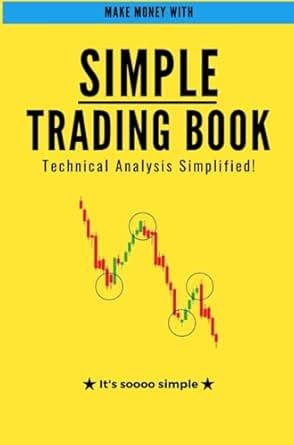
2) How to Help Simple Trading Charts?
To make a simple trading chart more helpful, you need to focus on essential tools and remove unnecessary clutter.
1. Use Basic Chart Types
The most useful chart types are:
- Candlestick charts (best for traders)
- Line charts (very simple)
- Bar charts (less common)
Candlestick charts show open, close, high, and low prices, giving you full market information.
2. Add Only Important Indicators
You don’t need 10 indicators. The best simple indicators include:
Moving Average (MA)
Helps identify trend direction.
- Price above MA = bullish
- Price below MA = bearish
RSI (Relative Strength Index)
Helps measure market strength.
- RSI above 70 = overbought
- RSI below 30 = oversold
These indicators are simple but powerful.
3. Draw Support and Resistance Levels
Support and resistance are key areas where price reacts.
- Support: Price floor where buyers enter
- Resistance: Price ceiling where sellers enter
These levels help traders find high-probability trades.
4. Follow the Trend
One of the simplest rules in trading:
- In an uptrend → look for buying opportunities
- In a downtrend → look for selling opportunities
Trend-following is one of the most successful strategies used by professionals.
5. Keep Your Chart Clean
A clean chart means:
✅ Clear price movement
✅ Only 1–2 indicators
✅ Key levels marked
❌ No unnecessary clutter
Simple charts improve focus and discipline.
3) Simple Trading Chart Examples and Details
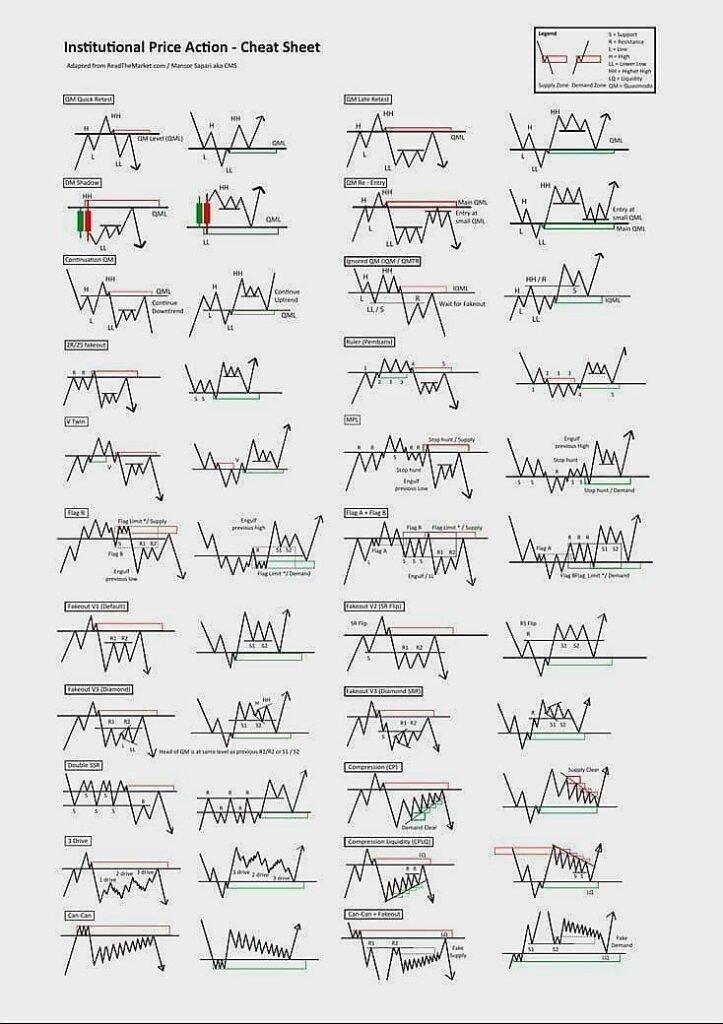
1. Uptrend Chart Example
In an uptrend, price makes:
- Higher highs
- Higher lows
This shows buyers are strong.
Trading idea: Look for buying opportunities during pullbacks.
2. Support and Resistance Chart
Price often moves between zones.
- Support zone: buying area
- Resistance zone: selling area
Traders wait for price to bounce or break these levels.
3. Moving Average Chart
A moving average helps confirm trend direction.
- Price above MA → bullish trend
- Price below MA → bearish trend
Moving averages are simple but widely used.
4. RSI Indicator Example
RSI helps traders understand momentum.
- RSI > 70 → market may reverse downward
- RSI < 30 → market may reverse upward
It is useful for timing entries.
4) How We Learn Simple Trading Chart Reading and Trading
Learning trading is a journey. With the right approach, anyone can improve step by step.
1. Start with the Basics
Before trading, understand:
- What is a candlestick?
- What is a trend?
- What is support/resistance?
Strong basics create a strong foundation.
2. Practice with Demo Accounts
A demo account allows you to trade with virtual money.
This helps you:
- Learn without risk
- Test strategies
- Build confidence
Every beginner should start with demo practice.
3. Study Real Market Charts Daily
Chart reading improves through repetition.
Spend time watching:
- Price movement
- Market structure
- Patterns forming
The more you observe, the better you become.
4. Learn Risk Management
Trading is not just about profit — it is about protection.
Key rules:
- Never risk more than 1–2% per trade
- Always use stop-loss
- Avoid emotional decisions
Risk management is what keeps traders in the game long-term.
5. Follow a Trading Plan
Successful traders always have a plan that includes:
- Entry rules
- Exit rules
- Risk limits
- Trading schedule
Trading without a plan is gambling.
5) How We Teach Simple Trading Chart
Our teaching approach is designed to make trading simple, practical, and effective for everyone.
1. Step-by-Step Lessons
We teach trading from beginner to advanced level in clear steps:
- Chart basics
- Price action
- Indicators
- Strategies
- Trading psychology
No confusion, only structured learning.
2. Live Market Sessions
We provide live chart analysis so students can learn in real time.
This helps you understand:
- How professionals trade
- How decisions are made
- How to manage trades live
3. Practical Strategies
We focus on strategies that actually work, such as:
- Trend trading
- Breakout setups
- Support/resistance trading
- Candlestick confirmation
Simple strategies give consistent results.
4. One-on-One Coaching
Every trader learns differently. That’s why we offer personal support and mentoring to help students improve faster.
5. Trading Mindset Training
Trading is psychological. We teach:
- Discipline
- Patience
- Confidence
- Emotional control
Mindset separates winners from losers.
6) Why We Are the Best
Many trading educators exist, but our focus is different: simplicity, clarity, and real growth.
1. Expert Guidance
We provide professional knowledge based on real market experience.
2. Proven Methods
Our strategies are tested and based on price action, not guesswork.
3. Student Success Stories
Our students improve because we focus on skill-building, not shortcuts.
4. Clean and Simple Learning
We don’t overload learners with complex systems. We teach trading in the simplest way possible.
5. Support and Community
We provide ongoing support so learners never feel stuck or alone.