
Baat Se Baat
Baat Se Baat
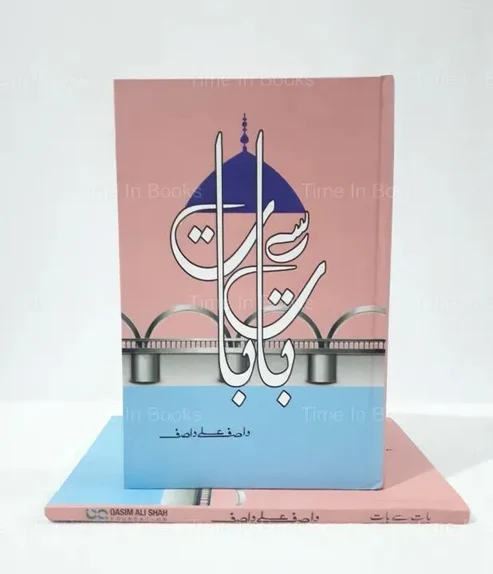
The book “Baat Se Baat” is a highly influential work of Urdu literature.
1. Author and Publication Details
The Author: Hazrat Wasif Ali Wasif
The author is the celebrated Sufi intellectual and writer, Hazrat Wasif Ali Wasif (1929–1993).
- Genre: He is known for his unique style of philosophical and spiritual prose, often using aphorisms (short, profound statements) and moral/ethical essays, which form the basis of his numerous books.
- Content: His works are primarily focused on Sufism, spirituality, ethics, destiny (Taqdeer), and the human condition, written with the purpose of spiritual guidance and self-reformation.
- Legacy: He is considered one of the most quotable contemporary Urdu writers.
Publication Date
The book was published after the author’s passing. The earliest frequently cited publication year found is:
- Original Publication Year: 2008 (Published by Nayaab.net, Lahore, as indicated by some bibliographic sources).
Note: Due to his popularity, many of his columns and discourses are collected and published posthumously, leading to various re-printings and editions with different dates (like 2011, 2018, etc.).
2. Book Overview
- Title Meaning: “Baat Se Baat” translates to “Talk/Point from Talk/Point” or “Topic from Topic,” reflecting its discursive and conversational nature.
- Content: The book is a collection of short, insightful essays, columns, and spiritual advice written in the Urdu language. It is filled with his characteristic short philosophical statements (Aqwal-e-Zareen).
- Theme: The book addresses various aspects of life, faith, love, happiness, sorrow, and morality, often presenting the complexities of the world through a deeply spiritual lens. It seeks to answer the questions that arise in the minds of people regarding life’s events and destiny, guiding the reader from a simple “talk” to a deeper “point” or truth.
A) A Literary and Spiritual Icon
- Academic Roots: Wasif Ali Wasif was an alumnus of the prestigious Government College, Lahore. His strong educational background in literature and philosophy allowed him to synthesize classical wisdom with modern thought.
- The Murshid‘s Role: While he started as an educationist, he transitioned into a revered spiritual mentor (Murshid). His mission was to teach the principles of Sufism and Islamic morality not as an academic subject, but as a practical, living discipline applicable to everyday life.
- The Style of the Aphorism: His unique style relies heavily on aphorisms (Aqwal-e-Zareen) and brief, interconnected essays. This approach ensures that every passage is concise, memorable, and laden with multiple layers of spiritual and ethical meaning.
B) The Philosophy Behind the Title
The title “Baat Se Baat” perfectly captures the structural and philosophical essence of the book:
- Sequential Wisdom: The title suggests a chain of thought—one idea naturally leading to a deeper, related idea. This reflects the Sufi concept that worldly signs and simple observations are sequential clues leading the seeker toward the Ultimate Reality.
- Dialogue and Connection: The book often mirrors a conversation or a Q&A session, where the author takes a common question or statement (the first Baat) and expands it into a profound spiritual revelation (the second Baat).
- Unity of Knowledge: It illustrates the underlying unity of all knowledge and existence, showing how seemingly disparate events or concepts (like poverty and richness, sorrow and joy) are all interlinked aspects of a single divine plan.
3. Book Structure and Chapter List ("Baat Se Baat")
As is typical of Wasif Ali Wasif’s compilations, “Baat Se Baat” does not contain traditional, long chapters with a continuous narrative. Instead, it is a compilation of his short, reflective pieces, philosophical dialogues, and insightful aphorisms collected from his published columns and personal discourses. The content is usually grouped thematically or presented chronologically as it was written.
The book’s structure can be conceptually divided based on the major philosophical and moral domains it explores:
Part I: The Essence of Self and Reality (Khudi and Haqeeqat)
- Section: The Nature of Truth and Lies: Detailed philosophical analysis of honesty, hypocrisy, and how internal sincerity affects external reality.
- Section: The Power of Intentions (Niyyat): Reflections on how the purity of one’s intention is the ultimate arbiter of the value of an action, regardless of the physical outcome.
- Section: The Inner Struggle (Jihad-e-Akbar): Guidance on recognizing and overcoming the psychological barriers—ego (Nafs), pride, and doubt—that hinder spiritual growth.
Part II: The Dynamics of Faith and Destiny (Emaan and Taqdeer)
- Section: Understanding the Divine Plan: Discussions on the mystery of God’s planning, the acceptance of trials, and finding wisdom in difficult circumstances.
- Section: The Role of Prayer and Supplication (Dua): Exploring the true spiritual connection and relationship established through sincere prayer.
- Section: Fate (Taqdeer) and Human Effort: Balancing the concept of pre-destination with the moral and spiritual necessity of continuous, sincere effort (Koshish).
Part III: Ethical Conduct and Social Wisdom
- Section: The Etiquette of Relationships: Wisdom on dealing with friends and enemies, the true meaning of companionship, and forgiveness.
- Section: Poverty, Wealth, and Contentment (Qana’at): Ethical commentary on material pursuits, differentiating between being rich and being content, and the spiritual responsibility attached to wealth.
- Section: The Language of Silence: Reflections on the value of introspection, listening, and knowing when to communicate through silence rather than words.
Part IV: Aphorisms and Concise Wisdom
- This section features the short, high-impact sayings that epitomize the “Baat Se Baat” style, where a single line opens up a vast space for contemplation.
Example Aqwal: “Zindagi main achcha waqt sab ko milta hai, lekin sacha waqt sirf achche logon ko milta hai.” (In life, everyone gets a good time, but only good people get a truthful time.)
4. Summary
This book is a secret conversational pathway to Divine knowledge, revealing that the complex structure of the Universe is merely a series of interconnected truths that unfold from the simplest spoken word. It teaches the spiritual discipline of tracing every fleeting thought back to its sacred origin, asserting that the path to the Ocean of Reality is achieved not through grand revelation, but by meticulously linking the drops of sincerity found in everyday dialogue. The central mystery is that the Baat (Word) holds the key to the Haqeeqat (Reality).
5. Reasons People Should Read This Book
“Baat Se Baat” is highly valued for its ability to motivate spiritual introspection and provide clear ethical guidelines for navigating a morally ambiguous world. Here are five powerful reasons why people should read this collection:
1. It Teaches You to Think Deeply
The way the book is written—where one idea leads to the next (“Baat Se Baat”)—trains your mind to make deep connections.
- It makes you pause and reflect after reading each short idea or saying.
- This style helps you develop spiritual and intellectual insight by thinking about how these profound truths apply to your personal life.
2. Gives You Practical Rules for Daily Life
The book is full of simple, moral advice about how to live well.
- It tells you how to practice virtues like honesty, sincerity, kindness, and patience every day.
- Unlike difficult philosophy, Wasif Sahib applies his wisdom directly to real-life problems—at work, in the family, and in social groups—making spirituality easy to put into action.
3. It Explains Life's Confusing Problems
Wasif Sahib is excellent at solving the confusing questions that cause us stress (paradoxes), such as: “Why do good people suffer?” or “Why don’t my efforts always succeed?”
- He uses a Sufi point of view to teach you that these problems are actually necessary parts of a larger, wise Divine Plan.
- This understanding helps you accept what happens, which greatly reduces anxiety and brings inner peace.
4. Provides Quick Spiritual Boosts
The book’s short, impactful sayings (aphorisms) make it perfect for quick reading and reflection.
- You can learn a deep spiritual lesson in just a few seconds.
- This makes it ideal for busy modern life, allowing you to easily fit spiritual practice into your day. These short sayings are also easy to memorize when you need guidance.
5. Focuses on What's Inside, Not What People See
A main point of the book is that internal goodness is more important than external appearances.
- It strongly advises you to focus on the sincerity of your heart and intentions (Niyyat) instead of seeking praise or validation from society.
- This focus is key to achieving true, lasting self-improvement and spiritual growth.