
Ego Is the Enemy
Ego Is the Enemy
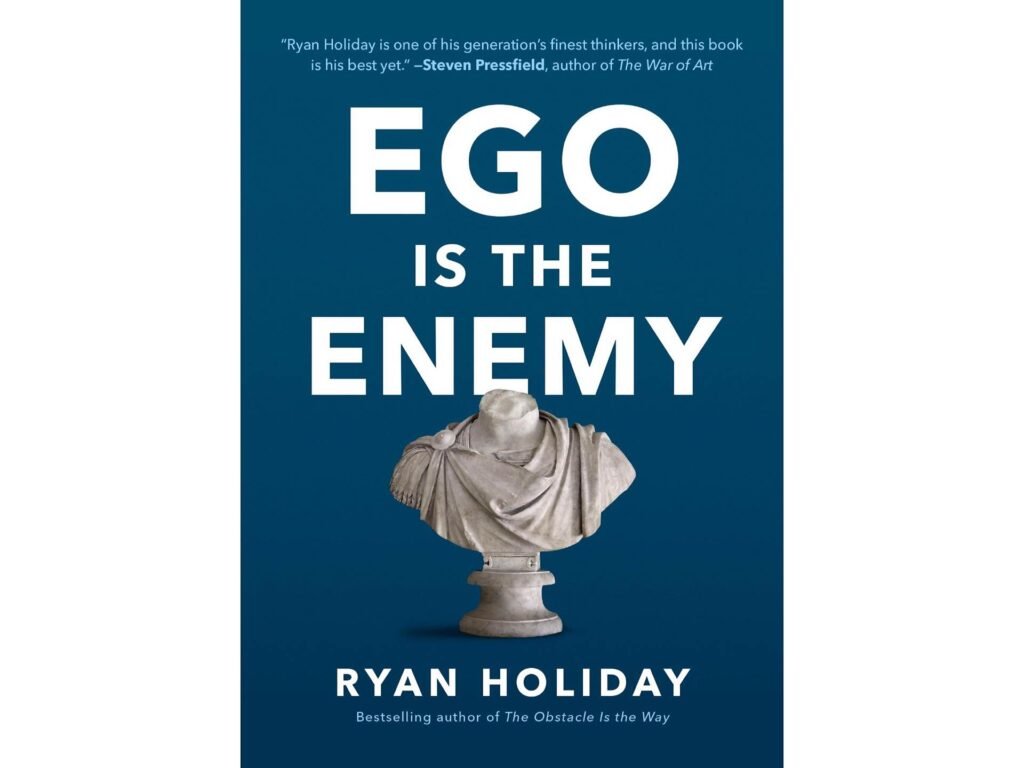
Ego Is the Enemy: The Fight to Master Our Greatest Opponent” is a bestselling non-fiction book that draws on philosophy, history, and literature to argue that the greatest impediment to success, resilience, and happiness is our own ego.
1. Publication Date
The book was first published on June 14, 2016.
2. The Author: Ryan Holiday
Ryan Holiday (born 1987) is an American author, media strategist, and entrepreneur who has become one of the most prominent modern proponents of Stoicism.
• Early Career:
Holiday’s career began early; he dropped out of college at 19 to apprentice under strategist Robert Greene (author of The 48 Laws of Power). He later gained notoriety as the former Director of Marketing for American Apparel, where he specialized in unconventional and controversial media strategies.
• The Philosopher/Writer:
He transitioned from media manipulation to philosophy, becoming a prolific writer focused on actionable wisdom for personal and professional life. His work draws heavily on the ancient Greek and Roman philosophy of Stoicism, particularly the teachings of Marcus Aurelius, Seneca, and Epictetus.
• Key Works:
Ego Is the Enemy is one of the core books in his collection, which also includes the bestsellers:
- The Obstacle Is the Way (2014)
- The Daily Stoic (2016, with Stephen Hanselman)
- Stillness Is the Key (2019)
- Discipline Is Destiny (2022)
• Mission:
Holiday’s mission is to translate complex philosophical concepts into practical, relatable guidance, making Stoicism accessible to a modern audience of entrepreneurs, athletes, and leaders.
A) Professional and Intellectual Journey
• Marketing Maverick:
Holiday began his career in marketing and media, eventually serving as the Director of Marketing for American Apparel. His firsthand experience with the toxic cycles of hype, media manipulation, and burnout in the corporate world profoundly influenced his writing on the dangers of unchecked ambition and ego.
• The Stoic Evangelist:
Following his best-selling book The Obstacle Is the Way, Holiday solidified his role as a leading proponent of Stoicism. He believes that the ancient teachings of thinkers like Marcus Aurelius, Seneca, and Epictetus provide the essential antidote to the chaos and self-sabotage inherent in modern life.
• Core Philosophy:
Holiday’s work is characterized by the use of historical anecdotes (from figures like George Marshall, Jackie Robinson, and John D. Rockefeller) to illustrate timeless philosophical lessons. He argues that success is less about innate talent and more about sustained, disciplined effort and the management of one’s own internal narratives—especially the dangerous narrative of the ego.
B) Defining the Ego
In the context of the book, “Ego” is defined not as self-respect or confidence, but as an unhealthy belief in one’s own importance. It is the destructive force that substitutes the reality of the world with one’s self-serving perception. The ego is hungry for recognition, easily threatened, and allergic to honest feedback—making it the single greatest saboteur of potential.
3. Book Structure and Conceptual Chapter List
“Ego Is the Enemy” is organized into three major sections, following the logical chronological arc of a person’s career and life, demonstrating how the ego poses a unique threat at each stage: Aspire (Before Success), Success (During Success), and Failure (After Success or Failure).
Part I: To Aspire (The Ego When Starting Out)
This section focuses on the traps of ego when one is still striving for achievement—before they have earned recognition.
Conceptual Focus | Core Lesson | Key Traps of Ego |
Speaking vs. Doing | Emphasizes that true learning and progress require active engagement and quiet humility, not merely talking about one’s ambitions. | Prematurely seeking validation, talking more than working, mistaking ambition for competence. |
Becoming a Student | Focuses on the virtue of being a lifelong learner (The Student) and the necessity of finding great mentors. | The refusal to learn from others, believing one is already an expert, thinking work beneath one’s talent. |
The Danger of Theory | Warns against intellectual arrogance and the importance of humble execution over grand, unproven theories. | Focusing on reputation over results, prioritizing fame over craft. |
Part II: Success (The Ego Once We Have It)
This section addresses the perils of ego once achievement has been secured and how it breeds arrogance and recklessness.
Conceptual Focus | Core Lesson | Key Traps of Ego |
Staying Humble | The critical need to maintain discipline and sobriety during peak success, understanding that achievement is often temporary. | Believing one is invincible, losing contact with reality, relying on reputation instead of effort. |
The Disease of Me | Warns against the isolating nature of ego, where success leads one to believe that rules don’t apply, leading to ethical lapses and poor strategic decisions. | Entitlement, focusing only on one’s own needs, ignoring feedback from the team. |
Beware the Story | Advises against internalizing one’s own media narratives or hype, emphasizing the need to keep focusing on the work itself. | Mistaking publicity for impact, losing sight of the foundational work that generated success. |
Part III: Failure (The Ego When Things Go Wrong)
This final section explores how ego prevents learning and recovery when faced with inevitable setbacks and failure.
Conceptual Focus | Core Lesson | Key Traps of Ego |
Learning from Adversity | Encourages seeing setbacks not as personal attacks but as objective data points that require an ego-free analysis and adaptation. | Blaming others, denial, self-pity, clinging to the idea of being special or unique. |
Quiet Resilience | The need for inner strength and persistence, emphasizing that quiet persistence is superior to loud complaining or despair. | Self-destruction, inability to accept responsibility, paralyzing fear of starting over. |
The Final Goal | Encourages focusing on legacy, contribution, and continuous improvement, rather than chasing fleeting fame or validation. | Never being satisfied, constantly seeking more affirmation, inability to enjoy the present. |
4. Summary
This ancient wisdom, disguised as a modern self-help manual, reveals that the true architect of our downfall is the boastful inner critic we mistake for a friend. It is a covert field guide to the battlefield of the mind, arguing that the greatest victories are won by those who approach life’s struggles with quiet discipline and disciplined self-doubt. The chilling mystery it unveils is that unexamined ambition is a deadly poison, and the surest path to greatness is to silence the incessant, demanding voice of the “I.”
5. Reasons People Should Read This Book
Ego Is the Enemy is a vital read for anyone aiming for long-term, sustained success and professional fulfillment.
1. The Cure for "Show-Off" Culture
In a world full of social media bragging and self-promotion, this book tells you the opposite: stop seeking validation and start working quietly. It teaches that lasting success comes from real effort and skill (substance), not from making noise or getting attention right away (hype). It encourages you to focus on doing the job well, not on getting the immediate credit.
2. Provides Simple Tools for Staying Calm
The book is based on the ancient philosophy of Stoicism and gives you practical ways to manage your emotions, especially when dealing with highs and lows. It teaches techniques like:
- Being humble enough to always be a student.
- Looking at criticism objectively (without letting your feelings get in the way).
- Seeing mistakes and failures as learning chances. These tools help you stay balanced, no matter what happens.
3. Maps Out Ego Traps at Every Stage of Life
Ryan Holiday organizes the problem of ego into three clear phases: When you are aiming for success (Aspire), when you achieve it (Success), and when you face setbacks (Failure). This structure is very useful because it helps you quickly identify the specific ways your ego might be sabotaging you, whether you are a beginner or a seasoned professional.
4. Teaches Lessons Through Great True Stories
Instead of just giving abstract ideas, the book tells engaging stories about real people from history. You learn from those whose huge ego caused spectacular failures (like businessman Howard Hughes) and from those whose humility and discipline led to lasting success (like politician Angela Merkel). This makes the philosophical ideas easy to remember and understand.
5. Focuses on Long-Term Strength, Not Short-Term Wins
The ultimate lesson is that the goal isn’t just one big success; it’s enduring achievement and wisdom. By teaching you to control the reckless attitude that ego creates, the book helps you build discipline and humility. This resilience ensures that your career and life can handle inevitable problems, leading to a much deeper and longer-lasting sense of fulfillment.