
Meditations
Meditations
1. Author and Publication Details of Meditations:
Author: Marcus Aurelius Antoninus
Born: 121 CE – Died: 180 CE
Position: Roman Emperor (161–180 CE)
Philosophy: Stoicism
Meditations was written by Marcus Aurelius, one of history’s most remarkable philosopher-kings. He was the last of the Five Good Emperors of Rome and ruled during the final years of the Pax Romana, a long era of peace and stability in the Roman Empire.
Meditations was written between 170–180 CE, mostly during military campaigns, but it was never intended for publication. Marcus wrote these reflections privately, in Greek, as a way to discipline his thoughts, strengthen his character, and remind himself how to live virtuously under immense pressure. The text was published posthumously, long after his death, when later generations recognized its extraordinary wisdom.
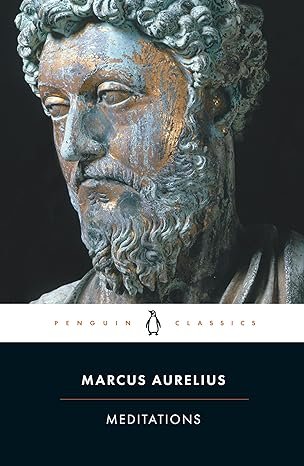
What Is Meditations About?
Meditations is not a traditional philosophy book. It contains no arguments meant to persuade others and no attempt to teach formally. Instead, it is a personal journal—a collection of reminders, reflections, and moral exercises Marcus Aurelius wrote to himself.
Based on Stoic philosophy, the book explores how to live a good life in a difficult world. It addresses universal human struggles such as anger, fear, ego, fame, desire, loss, leadership, and death. Written in simple, direct language, Meditations remains deeply accessible, even two thousand years later.
What makes the book extraordinary is that it shows the inner thoughts of the most powerful man in the world, reminding himself to stay humble, patient, fair, and rational.
2. Structure of the Book: The 12 Books of Meditations
Meditations is divided into 12 Books, each consisting of short passages. These are not chapters in the modern sense, but collections of thoughts written at different stages of Marcus’s life.
List of the 12 Books
- Book I – Gratitude and Influences
Marcus thanks teachers, family members, and mentors for shaping his character and values. - Book II – Preparing the Mind for the Day
Reflections on human behavior, duty, and emotional discipline. - Book III – The Nature of the Self
Focus on rationality, self-control, and the importance of inner character. - Book IV – Perspective and Impermanence
Emphasizes how small our troubles are within the vastness of the universe. - Book V – Duty and Action
Encourages immediate action and fulfilling one’s role in life. - Book VI – Living According to Nature
Explores acceptance, logic, and harmony with the natural order. - Book VII – Moral Strength
Reminds the reader to stay virtuous despite injustice or difficulty. - Book VIII – Mastery of Thought
Teaches control over perceptions and reactions. - Book IX – Justice and Human Community
Highlights compassion, cooperation, and social responsibility. - Book X – Self-Examination
Deep introspection on ego, truth, and humility. - Book XI – Ethical Conduct
Practical reminders for dealing with people and challenges. - Book XII – Mortality and Acceptance
Confronts death directly and urges peaceful acceptance of life’s end.
3. Core Themes of Meditations
Throughout Meditations, several ideas appear again and again:
- Impermanence: Everything changes; nothing lasts forever.
- Control of the Mind: You control your thoughts, not external events.
- Virtue: Good character is the highest good.
- Acceptance: Accept what you cannot change.
- Duty: Do what is right without seeking praise or reward.
4. Summary about Meditations
- Meditations is the silent conversation of an emperor with his own soul.
- It reveals how power means nothing without self-control.
- Through quiet reminders, it teaches strength without aggression and peace without escape.
- This is not a book about ruling others—but about ruling yourself.
5. Why People Still Read Meditations
1. It Teaches Inner Peace in Chaos
Marcus Aurelius wrote this book while facing war, plague, betrayal, and exhaustion. His lessons show that peace does not come from changing the world—but from mastering how you respond to it. This makes the book especially valuable in today’s stressful, fast-paced life.
2. It Helps You Control Emotions
Meditations offers practical advice on handling anger, fear, jealousy, and frustration. Marcus explains that people act badly out of ignorance, and that reacting with calm logic preserves your dignity. This makes the book extremely useful for relationships, leadership, and mental resilience.
3. It Teaches the Value of Time and Mortality
Few books confront death as honestly as Meditations. Marcus constantly reminds himself that life is short and fragile—not to create fear, but urgency. This perspective helps readers stop procrastinating and start living meaningfully.
4. It Is a Blueprint for Ethical Leadership
As an emperor, Marcus believed leadership meant service, justice, and integrity, not ego or dominance. That is why this book is still read by presidents, generals, CEOs, and athletes. It teaches that true authority begins with self-discipline.
5. It Is Universally Relevant
Meditations is not tied to any religion, culture, or era. Its wisdom is based on human nature and reason. That is why people from all backgrounds—students, professionals, thinkers, and everyday readers—continue to find guidance in it two thousand years later.
6. Why Meditations Still Matters Today
In a world driven by fame, distraction, and constant noise, Meditations feels refreshingly honest. It does not promise happiness through success or wealth. Instead, it teaches that a calm, rational, and virtuous mind is enough.
Marcus Aurelius never wanted this book to be read. And perhaps that is why it feels so real. There is no performance—only sincerity. The emperor speaks to himself, and in doing so, speaks to all of us.
7. Final Thoughts about Meditations
Meditations is not a book you read once and finish. It is a book you return to—during hardship, confusion, or self-reflection. Its power lies in its simplicity and its honesty.
If you want to learn how to live well, lead wisely, and remain steady in an unstable world, Meditations by Marcus Aurelius remains one of the greatest guides ever written.